
Why all bodies are good bodies
In my house, when the TV goes on, it’s often a comedy special. We love stand-up. It’s our default. We quote it all the time.
And lately, I’ve noticed something.
A lot of the comedians — especially women, though not only women — make pretty unkind jokes about their bodies. About being too big. Too soft. Too much. Too whatever.
Everyone laughs.
They’re doing it for the joke, of course. I get that it’s part of the craft.
But every time, I wince a little.
Because while it’s funny, I’m guessing there’s a nugget of truth in there — a place where they’ve internalized the idea that their body is a problem.
Through the lens of Ayurveda, body size is viewed very differently than it is in our culture.
In Ayurveda, we talk about three primary constitutional types: Vata, Pitta, and Kapha.
Each one comes with a natural structure:
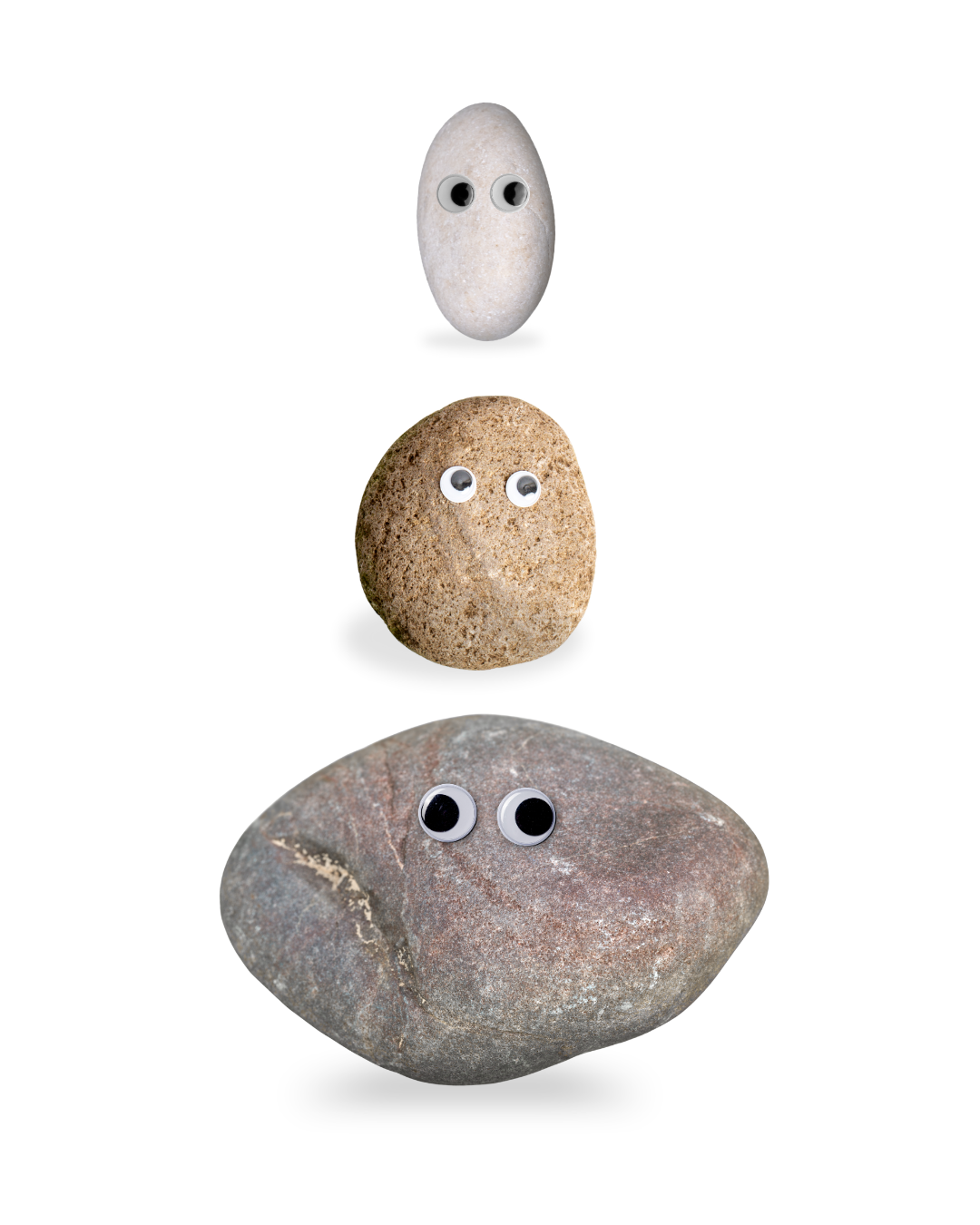
Vata bodies tend to be lighter, thinner, more delicate. Finer features. Quicker movement. Less natural padding.
Pitta bodies are typically medium build — often a little muscular, defined, warm. Structurally right in the middle.
Kapha bodies are naturally broader, heavier, steadier. Bodies with more substance — sometimes soft, sometimes solid, often strong and enduring.
Here’s the important part:
All three are considered healthy when they are in balance.
There’s no hierarchy.
No “skinnier equals better.”
No “leaner equals more disciplined.”
No gold star for taking up less space.
Culturally, we’re surrounded by a very narrow image of what a “healthy” body looks like. Lean. Compact. Low body fat.
That might be perfectly healthy for someone with a Vata constitution.
But if a naturally Kapha body tried to maintain that structure, it could become depleted, inflamed, anxious, or exhausted trying to fight its own nature.
Ayurveda doesn’t try to make every body look the same.
It asks different questions:
Is digestion working?
Is energy steady?
Is sleep restorative?
Is the mind clear?
Health is about function and vitality — not conformity. It’s balance within the individual body.
So if you’ve been quietly battling your shape — trying to shrink it, harden it, stretch it into something else — I just want to offer this:
You might be pushing up against your constitution. And instead of fighting it, we can learn how to support it.
That’s a very different starting point.
If you’re curious what your constitution actually is — and how to work with it instead of against it… you know where to find me.
p.s. Interestingly, those constitutional body types also show up in how we create, think, and work. It’s super cool. But it’s too much for this post, so I’ll get into that a different time. :)